Blog

  • Travel Chess Competitions: The Ultimate Guide for Chess Enthusiasts

    Travel Chess Competitions: The Ultimate Guide for Chess Enthusiasts

    Chess isn’t just a game played in local clubs or online platforms — for many enthusiasts around the globe, it’s a lifestyle that includes traveling for chess competitions. Whether you’re an aspiring player seeking your first rated event, a seasoned competitor chasing norms or titles, or a passionate spectator exploring international chess culture, travel chess competitions offer unmatched opportunities to grow, compete, and connect. In this article, we’ll explore the world of travel chess competitions, practical tips for tournament travel, major global events, and how international travel experiences enrich your chess journey.

    What Are Travel Chess Competitions?

    Travel chess competitions are over‑the‑board (OTB) chess tournaments that require participants to journey from their hometowns — often across countries or continents — to compete. Unlike local events at nearby clubs, these competitions involve planning travel logistics, managing accommodations, and often balancing sight‑seeing with rigorous rounds of strategic play.

    The rising popularity of travel chess competitions is partly due to the expanding global chess calendar, where players can find hundreds of FIDE‑rated tournaments around the world. Platforms like Discover Chess Events Worldwide or Chess Tournaments Aggregator Internationally help players discover events by country, date, and format. These tools make it easier than ever to plan an international chess adventure.

    Why Travel for Chess Tournaments?

    Traveling for chess tournaments offers several unique benefits that extend far beyond the chessboard:

    1. Competitive Growth and Experience

    Competing internationally exposes players to a wide range of playing styles, strategies, and competitive pressures. Whether you’re playing in a weekend open or a prestigious international event, every match is a learning experience. Many travel chess competitions also offer opportunities to earn rating points and achieve title norms recognized by the Fédération Internationale des Échecs (FIDE), the global authority for chess competition standards.

    2. Cultural Exchange and Social Connections

    Chess travel competitions bring together players from diverse backgrounds and cultures. Events like the 31st Abu Dhabi International Chess Festival or the 1st FUJAIRAH Global Chess Championships illustrate how travel tournaments can blend competition with cultural experiences, offering social events, local tours, and engagement with host communities.

    3. Adventure and Memory‑Making

    For many players, travel chess competitions become memorable journeys. Exploring a new city, tasting local cuisine, and meeting competitors from far and wide makes travel chess more than just competition — it becomes a life highlight. From historic chess festivals in Europe to vibrant open tournaments in Asia and the Middle East, the chess world is packed with destinations worth visiting.

    Popular Chess Travel Competitions Around the World

    While there are hundreds of events in any given year, some travel chess competitions stand out for their scale, prestige, and appeal:

    Major International Open Tournaments

    Open tournaments are large events where players of all levels can compete. These are often the backbone of travel chess. Websites like the Chess Calendar Global Listings or FIDE Tournament Calendars provide comprehensive lists of upcoming competitions.

    Iconic Annual Chess Festivals

    • 31st Abu Dhabi International Chess Festival — A luxurious chess festival that attracts players of all ages to compete in several categories, offering a mix of competitive play and cultural experiences.
    • 1st FUJAIRAH Global Chess Championships — A prestigious debut tournament in the United Arab Emirates featuring diverse competitive sections and solid prize funds.
    • Sunway Sitges International Chess Festival — Held in Spain, this event includes main open events, rapid and blitz competitions, and a festival atmosphere for traveling players.

    Regional Chess Open Events

    Players also often combine multiple opens in one travel itinerary. For example, in Europe during the summer, players might attend a sequence of opens in different cities or countries, enabling an extended tournament journey and a richer travel experience.

    Tips for Planning and Traveling to Chess Competitions

    Traveling smartly ensures you can focus on your chess performance while enjoying the trip. Here are essential tips for competitors planning travel chess experiences:

    Choose Tournaments That Match Your Level and Goals

    Before booking flights or accommodations, research tournaments that align with your rating and competitive aims. Many travel chess competitions have open sections regardless of rating, but some, like title norm events or elite festival sections, are designed for higher‑rated players. Use reliable event calendars to filter by rating, date, and location.

    Plan Travel Early

    Booking flights and accommodations early can significantly reduce travel costs. Chess community forums and player discussions emphasize that players who make early arrangements often save money and ensure a comfortable stay near the tournament venue — crucial for optimal performance during competition rounds.

    Consider Travel Logistics

    International travel for chess competitions involves logistical planning:

    • Visa requirements: Some destinations require visas for participants from certain countries.
    • Local transportation: Research public transit options or shuttle services offered by tournament organizers.
    • Accommodations: Staying close to the venue can save time and reduce stress during intense rounds.

    Many travel chess organizations and clubs provide accommodation packets and travel assistance as part of tournament services.

    Pack Smart for Chess Travel

    Your tournament kit should include essentials like:

    • A portable chess set for warm‑ups or analysis.
    • A tournament‑approved chess clock.
    • Notation materials for recording games.
    • Comfortable clothing appropriate for the event venue.

    Ensuring these items helps maintain focus and comfort during intense play.

    Leverage Technology and Chess Platforms

    Apps and platforms like Chess.com or Lichess.org can help you stay sharp before your trip. Some tournaments also offer live game coverage, pairing updates, and standings through online services, keeping friends and family connected even when you’re abroad.

    How Travel Enhances Your Chess Skills

    Travel chess competitions are about more than trophies and rating points. They offer invaluable experiences that accelerate your chess development:

    Exposure to Diverse Opponents

    Playing internationally exposes you to different styles and strategic approaches. This variety enriches your understanding of openings, middlegame plans, and endgame techniques.

    Resilience and Adaptability

    Travel often means juggling time zones, unfamiliar environments, and tournament pressure. These challenges build mental resilience — a critical trait in competitive chess.

    Long‑Term Chess Network

    Attending multiple travel chess competitions allows you to build a global network of friends, mentors, and rivals. These relationships enrich your participation in the global chess community.

    Conclusion

    Travel chess competitions are transformational experiences that go far beyond the chessboard. Whether you’re exploring iconic festivals like the Abu Dhabi International Chess Festival or joining open tournaments around the world, the journey mixes strategic competition with cultural adventure and personal growth. With careful planning, smart travel decisions, and an open mind, every chess travel competition can become a defining chapter in your chess journey.

    By understanding how travel enriches competitive play, selecting the right events, and preparing both logistically and mentally, you’re setting yourself up for success — both across borders and across the chessboard.

  • Chess Apps Technology: How Modern Innovation is Transforming the Ancient Game

    Chess Apps Technology: How Modern Innovation is Transforming the Ancient Game

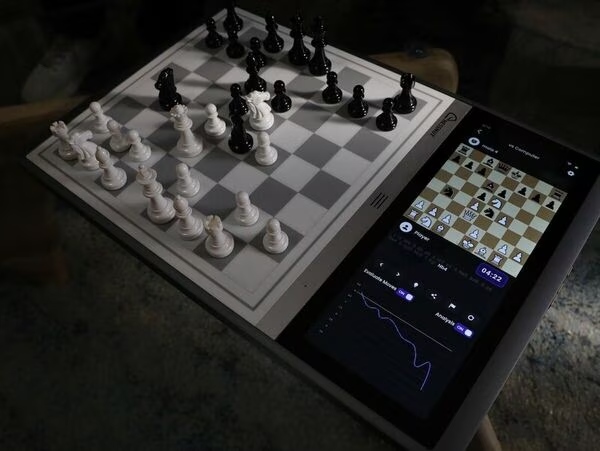
    Chess has evolved dramatically over centuries, from wooden boards and over‑the‑table matches to digital platforms and advanced mobile software. Today, chess apps technology connects millions of players around the world, leverages artificial intelligence (AI), and offers powerful tools for learning, analysis, and global competition. This transformation is not only reshaping how players engage with the game but also influencing education, cognitive development, and global community building.

    In this blog post, we explore the technological advances driving modern chess apps, highlight key apps and their unique features, discuss AI integration, and examine what this means for players of all skill levels.

    Evolution of Chess Apps: From Simple Games to Smart Platforms

    The earliest chess app concepts were straightforward digital adaptations of physical chessboards. These focused primarily on enabling users to play against the computer or a friend on the same device. Over time, with the rise of smartphones and cloud computing, chess apps have become fully featured platforms offering real‑time multiplayer, deep analytics, interactive lessons, and powerful AI opponents.

    One of the pivotal moments in this evolution was the expansion of community‑oriented apps that go beyond basic play. Instead of simply presenting a board, modern apps become learning ecosystems where players can practice openings, solve puzzles, analyze performance, and even watch games played by masters.

    Popular Chess Apps and Their Innovations

    Let’s take a closer look at some of the leading chess apps that showcase the breadth of technology now available in the chess ecosystem.

    Chess.com: The All‑in‑One Chess Platform

    The Chess.com app stands as one of the most popular and influential chess apps worldwide, with millions of users and a range of features designed for both beginners and seasoned players. Its technology integrates:

    • Live multiplayer games with automated matchmaking.
    • AI‑driven puzzles and personalized challenges.
    • Post‑game analysis showing best moves, errors, and insights.
    • Global tournaments and community clubs.

    Chess.com uses sophisticated backend systems and ranking algorithms to ensure fair play and enjoyable competition. It also combines community features like forums, video lessons, and news to keep players engaged.

    Lichess: Free and Open‑Source

    In contrast, Lichess is a free and open‑source alternative that excels in technology efficiency and accessibility. Lichess offers:

    • Unlimited puzzles and exercises.
    • Real‑time game analysis powered by strong engines like Stockfish.
    • Fast and lightweight mobile and web client performance.
    • No ads, subscription fees, or data restrictions.

    Because it is open source, Lichess benefits from community contributions and continuous improvement, ensuring it remains technologically competitive and user‑oriented.

    Chessify: Advanced Tools for Serious Players

    Another standout in chess apps technology is Chessify, which targets players and analysts who want deeper insights. Its key technologies include:

    • Chessboard scanner with optical character recognition (OCR) that digitizes real boards and books.
    • Cloud‑based chess engine analysis far faster than local processors.
    • Integration with powerful engines like Stockfish 16 and Leela Chess Zero.

    These features showcase how modern chess apps are using cloud computing and machine‑level analysis to enhance training, research, and competitive preparation.

    Play Magnus: Learning from a Champion

    The Play Magnus app offers unique engagement by allowing users to challenge AI versions of World Champion Magnus Carlsen at different ages. This gamified approach blends entertainment with learning and motivates players to improve strategically.

    AI‑Powered Chess Apps: A New Frontier

    The rise of artificial intelligence has had one of the most profound impacts on chess apps technology. AI engines now provide players with realistic and adaptive opponents, detailed feedback on move quality, and personalized training paths.

    Apps like AI Chess and AI Chess Champion illustrate this trend. They use adaptive AI opponents that learn from the user’s playstyle, offer multiple difficulty levels, and provide in‑game analysis that helps users understand the strategy behind each move.

    In addition, research and technological advances in AI continue to push the boundaries. For example, academic work such as “Human‑aligned Chess with a Bit of Search” explores ways to make AI behavior reflect human decision‑making patterns, not just optimal engine moves, bridging the gap between machine intelligence and human creativity.

    Core Technologies Driving Chess Apps Today

    To understand why some chess apps thrive technologically while others fall short, it’s essential to look at the core technologies behind them.

    Artificial Intelligence and Machine Learning

    The advent of powerful AI chess engines—such as Stockfish, Leela Chess Zero, and other proprietary systems—has revolutionized how chess apps support users. AI allows apps to:

    • Generate adaptive difficulty levels.
    • Provide real‑time move suggestions and blunder detection.
    • Analyze entire games and offer post‑game statistics.

    AI doesn’t just play against the user—it evaluates performance and helps players learn from mistakes. This is fundamental to apps that prioritize improvement over casual play.

    Cloud Computing

    Many modern chess apps rely on cloud computing to handle computation‑intensive tasks like deep analysis and fast multiplayer matching. Cloud servers distribute the load of analysis engines, ensuring smooth performance even on mobile devices with limited processing power.

    Real‑Time Networking and Multiplayer Features

    Today’s chess apps allow real‑time games with players around the globe. Technologies such as WebSockets and low‑latency networking stacks make sure moves are transmitted instantly, giving players a live, competitive experience.

    User Experience (UX) and Human‑Centered Design

    Beyond pure computation, chess apps invest heavily in UX design to improve usability. Touch gestures, clean layouts, interactive tutorials, and customizable boards make virtual chess feel accessible and engaging. Some apps even scan physical boards to import positions directly, further blurring the lines between the physical and digital worlds.

    Trends Shaping the Future of Chess Apps

    As technology continues to evolve, several trends are shaping the future of chess apps.

    Integration of Social Features

    Chess apps are becoming community platforms, not just play environments. Features like tournaments, player profiles, and social challenges help build engagement and keep users returning.

    Educational Expansion

    Apps are increasingly focusing on education, offering lessons, interactive puzzles, and guided practices. Educational companies outside the traditional chess ecosystem—such as language‑learning apps expanding into chess—indicate the broader appeal of chess as a tool for cognitive development.

    Cross‑Platform Experiences

    Many chess apps are now designed to work seamlessly across iOS, Android, and web browsers, ensuring flexibility and broad reach. Cloud sync and cross‑device play allow users to start a game on a phone and continue on a tablet or desktop.

    The Impact on Players and Communities

    The technological revolution in chess apps has democratized access to chess education and competition. No longer confined to clubs or elite tournaments, millions of players can now:

    • Find opponents at any skill level instantly.
    • Use powerful analysis tools previously reserved for professionals.
    • Learn at their own pace with interactive tutorials and puzzles.
    • Connect with global communities and participate in digital tournaments.

    This has not only increased the popularity of chess but also inspired new generations of players to explore strategy, logic, and creative thinking.

    Conclusion

    From AI‑powered analysis and cloud computing to real‑time multiplayer and community‑driven platforms, chess apps technology has transformed the ancient game into a modern digital experience. Whether you’re a beginner learning your first opening or an advanced player preparing for competition, there’s a chess app designed to fit your goals.

    As technology continues to evolve, we can expect even more innovative features, deeper AI insights, and richer social interactions. Chess in the digital age is not just about playing—it’s about experiencing strategy, learning continuously, and joining a global community connected through shared passion.

  • Focused Lifestyle Habits: How to Transform Your Life with Intentional Daily Routines

    Focused Lifestyle Habits: How to Transform Your Life with Intentional Daily Routines

    In a digital era full of distractions, cultivating focused lifestyle habits has never been more essential. Whether you are striving for higher productivity, better wellbeing, or stronger personal goals, building a lifestyle rooted in focus can change your life. This comprehensive guide explores the science, the strategies, and the everyday practices that help individuals stay mindful, productive, and purpose‑driven.


    What Are Focused Lifestyle Habits?

    Focused lifestyle habits are daily practices designed to improve concentration, reduce distractions, and reinforce personal goals. They integrate intentional behavior with proven routines that support mental clarity, effective time management, and emotional balance.

    Unlike quick fixes or fad trends, focused lifestyle habits build long‑term resilience, sharpen attention, and enhance overall quality of life. These habits are not only about productivity—but also about aligning your everyday actions with your core values.


    Why Focused Lifestyle Habits Matter

    Focused lifestyle habits matter because the human brain is wired for stimulation—not sustained attention. With constant notifications, information overload, and fragmented time, maintaining consistent focus is a challenge. According to research from Stanford University, prolonged distractions can reduce cognitive control and weaken memory retention.

    When you cultivate focused habits, you are actively training your brain to prioritize what matters most. This leads to:

    • Higher work quality and faster task completion
    • Reduced stress and decision fatigue
    • Clearer personal goals and emotional balance
    • Increased satisfaction in both professional and personal life

    Key Components of Focused Lifestyle Habits

    To build lasting focus, it’s important to understand the core components that make these habits effective.

    1. Consistent Sleep Routine

    Sleep is foundational to focus. Research published by the National Institutes of Health highlights that adequate sleep enhances attention, learning, and emotional regulation. Most adults need between 7–9 hours of uninterrupted sleep.

    Ways to support a sleep‑centered habit include:

    • Going to bed and waking up at consistent times
    • Limiting screen time 60 minutes before sleep
    • Creating a quiet, dark, cool bedroom environment

    2. Mindful Morning Rituals

    How you start your day greatly affects your focus. Morning rituals set the tone for mental clarity.

    A strong morning routine may include:

    • Hydration
    • Light stretching or movement
    • Journaling or reflective writing
    • Goal planning for the day

    By intentionally designing your mornings, you create momentum that carries through the rest of your day.

    3. Structured Task Blocks

    Focused lifestyle habits often rely on time blocks. Time blocking is a method where you assign specific hours of your day to defined activities.

    This strategy helps prevent multitasking and supports deep work—a term popularized by productivity expert Cal Newport in his book Deep Work: Rules for Focused Success in a Distracted World.

    Deep work refers to periods of uninterrupted, high‑concentration work that lead to significant progress on important tasks.

    4. Digital Boundaries

    Digital tools can both assist and distract. Focused lifestyle habits require intentional use of technology.

    To reduce digital noise:

    • Turn off non‑critical notifications
    • Use website blockers during focus periods
    • Schedule specific times for checking email and social media
    • Keep your working device clutter‑free

    These digital boundaries help protect your attention and prevent frequent context‑switching.

    5. Regular Physical Activity

    Exercise boosts both physical health and cognitive performance. According to research from the American Psychological Association, regular physical activity supports better attention, faster memory recall, and improved mood.

    This doesn’t mean intense workouts every day. Focused habits may include:

    • Walking 30 minutes daily
    • Morning yoga or stretching
    • Weekend hikes or bike rides

    Movement and focus are deeply connected.

    6. Purpose‑Driven Goal Setting

    Goal setting enhances focus by creating clarity. When you establish SMART goals—Specific, Measurable, Achievable, Relevant, Time‑bound—you build purpose into your daily life.

    To implement purpose‑driven habits:

    • Write down long‑term priorities
    • Break them into weekly and monthly action steps
    • Review and adjust regularly

    This framework turns abstract intentions into actionable routines.


    How to Build Your Own Focused Habit System

    Creating a system is more effective than relying on individual habits in isolation. Here’s a step‑by‑step approach.

    Step 1: Assess Your Current Patterns

    Start by observing your daily routine for one week. Notice where your attention drifts, where distractions occur, and where your energy peaks and dips.

    Keep a simple log that includes:

    • Wake up time
    • Most productive hours
    • Frequent interruptions
    • Sleep patterns

    This baseline helps you understand where to begin.

    Step 2: Prioritize Two to Three Core Habits

    Rather than overwhelming yourself with too many changes, choose two to three focused lifestyle habits to implement first. Consistency is more important than perfect execution.

    Examples include:

    • Dedicated morning journaling
    • A daily mid‑day walk
    • A fixed focus block from 9:00–11:00 AM

    Start small, then expand gradually.

    Step 3: Create a Habit Trigger

    A habit trigger is a cue that initiates your new behavior. It could be:

    • Drinking a glass of water after waking up
    • Closing your laptop after lunch
    • Placing your phone in another room for focus sessions

    Triggers help automate focus over time.

    Step 4: Track and Review Progress

    Tracking builds accountability. Use a habit tracker, calendar, or digital tool to monitor your daily progress. Review your focus habits weekly to reinforce successes and adjust challenges.


    Common Challenges and How to Overcome Them

    Even well‑meaning individuals struggle with consistency. Here are common roadblocks and practical solutions:

    Challenge 1: Losing Motivation

    Motivation fluctuates. Instead of depending on motivation, rely on systems—consistent routines, tracked progress, personal rewards, and accountability partners.

    Challenge 2: Frequent Interruptions

    Interruptions fragment focus. Use environmental control—quiet rooms, scheduled focus times, or co‑working spaces—and communicate boundaries to others.

    Challenge 3: Habit Plateau

    When habits feel stale, refresh them by:

    • Changing the timing
    • Adding a fun variation
    • Combining with another habit (habit stacking)

    Habit plateaus are normal; they signal it’s time for adjustment.


    The Long‑Term Benefits of a Focused Lifestyle

    Focused lifestyle habits deliver benefits beyond productivity:

    • Improved emotional resilience
    • Stronger relationships
    • Greater self‑confidence
    • Enhanced creativity
    • Clearer sense of purpose

    When focus becomes a way of life, every area can improve—from career performance to personal wellbeing.


    Conclusion

    Focused lifestyle habits are not rigid rules but intentional patterns that elevate your daily life. They help you establish meaningful routines, reduce cognitive noise, improve productivity, and live with purposeful intention.

    By starting with small, well‑chosen habits—like consistent sleep, structured time blocks, and digital boundaries—you can build a life that supports deep focus and sustainable growth.

    Invest in your focus today—and the results will shape your success tomorrow.

  • Understanding Intellectual Property Law: A Complete Guide

    Understanding Intellectual Property Law: A Complete Guide

    Intellectual Property Law is a cornerstone of modern legal systems, designed to protect creations of the human mind and incentivize innovation. In a world driven by ideas, creativity, and technological advancement, protecting intangible assets such as inventions, brands, artistic works, and trade secrets has become essential for individuals, businesses, and governments alike. This blog explores the key aspects of Intellectual Property Law, its primary categories, legal importance, enforcement mechanisms, and practical implications for creators and companies.


    What is Intellectual Property Law?

    Intellectual Property Law refers to the legal framework that grants rights to creators and inventors over their creations and innovations. These rights are recognized and enforceable under statutory laws and, sometimes, international treaties. The main objective of this field of law is to encourage innovation and creativity by giving creators exclusive rights to benefit from their work and preventing unauthorized use by others.

    At its core, intellectual property is intangible: it includes inventions, artistic expressions, symbols, names, designs, and other products of human ingenuity. Unlike physical property, which can be touched and possessed, intellectual property rights are legal protections granted to the creator or owner.


    Why Intellectual Property Law Matters

    In an age of rapid technological change, Intellectual Property Law plays several crucial roles:

    1. Encouraging Innovation and Creativity: By granting inventors and creators exclusive rights, IP law provides incentives for people to invest time and resources into new ideas, artistic works, and inventions. Without these protections, competitors could freely copy and profit from others’ efforts, reducing the motivation to innovate.
    2. Economic Growth and Competitiveness: Intellectual property rights help creators monetize their work through licensing, commercialization, or sale, which drives economic activity and supports market competitiveness.
    3. Consumer Protection: Trademark law, for example, ensures that consumers can rely on consistent quality and source identification when purchasing goods and services.
    4. Balancing Public Access: While IP law grants exclusive rights, it also ensures that innovations eventually become part of the public domain—after patent expiry or other legal limitations—allowing society to benefit from shared knowledge.

    Main Types of Intellectual Property Rights

    Intellectual Property Law encompasses several legal regimes, each tailored to a specific category of intellectual assets. Understanding these categories is essential to appreciating how IP law operates.

    1. Patent Law

    A patent is an exclusive right granted to an inventor for a new, non‑obvious, and useful invention. Patents are designed to protect technological innovations, including processes, machines, products, and industrial designs.

    Patents typically provide protection for a limited period—commonly 20 years—during which the patent holder can prevent others from making, using, selling, or importing the invention without permission. After the patent expires, the invention enters the public domain and can be freely used.

    Patents are particularly important in sectors like pharmaceuticals, engineering, and software development, where research and development require significant investment.


    2. Copyright Law

    Copyright protects original works of authorship fixed in a tangible medium. This includes books, music, films, software code, photographs, and artistic expressions. Copyright law does not protect ideas themselves, but rather the specific expression of those ideas.

    Creators with copyright rights can control reproduction, distribution, performance, and display of their works. These rights help authors, artists, and content creators earn income from their works and maintain control over how they are used.

    Unlike patents, copyright protection arises automatically upon creation of the work in many jurisdictions, though registration can offer stronger enforcement tools.


    3. Trademark Law

    A trademark is a symbol, name, word, phrase, logo, or design that identifies and distinguishes the source of goods or services. Trademark protection helps consumers recognize brands and assures them of consistent quality and origin.

    An example of trademark protection would be a company name or logo that consumers associate with a particular product line. These rights are territorial and often require registration in each jurisdiction where protection is sought.

    Trademark law is essential for building brand equity and preventing market confusion resulting from similar marks being used by different businesses.


    4. Trade Secret Law

    Trade secrets encompass confidential business information that provides a competitive edge because it is not generally known and is protected by efforts to maintain secrecy. Examples range from proprietary formulas and manufacturing processes to customer lists and algorithms.

    Unlike patents, trade secret protection does not require public disclosure, and it can, in theory, last indefinitely as long as the secret remains undisclosed. If a trade secret becomes public, those legal protections dissolve.

    Trade secret law is particularly relevant for software and technology companies, where source code or algorithms may be valuable assets.


    Intellectual Property Enforcement

    Protecting intellectual property rights is not automatic. In many jurisdictions, enforcement requires registration (like patents and trademarks) or legal action in courts or administrative bodies.

    Registration Processes

    • Patent Office Filing: To secure patent rights, inventors typically file applications with national or regional patent offices, which examine and grant patents if criteria are met.
    • Trademark Registration: Trademarks are registered with intellectual property offices to formalize rights and gain enforceable protections.

    Litigation and Dispute Resolution

    When intellectual property rights are violated, rights holders can pursue legal remedies through civil litigation. Remedies may include injunctions (to stop the infringing activity), monetary damages, and, in some cases, criminal sanctions depending on the jurisdiction and severity of the infringement.

    Important aspects of enforcement also include monitoring for counterfeiting, negotiating licensing agreements, and taking administrative actions through IP offices.


    Understanding Intellectual Property in a Global Context

    In our interconnected global economy, intellectual property law extends beyond national borders. International treaties and organisations set minimum standards for IP protection and cooperation:

    • The TRIPS Agreement (Trade‑Related Aspects of Intellectual Property Rights) is a World Trade Organization treaty that sets baseline intellectual property standards that member countries must uphold.
    • World Intellectual Property Organization (WIPO) facilitates international cooperation on IP protection, including treaties like the Berne Convention for copyright protection.

    These global frameworks help creators and businesses protect their IP internationally and resolve cross‑border disputes.


    Best Practices for Protecting Your Intellectual Property

    To maximize the value and longevity of your intellectual property rights, consider the following best practices:

    1. Perform Thorough Searches: Before applying for patents or trademarks, conduct comprehensive searches to ensure your IP is unique and protectable.
    2. File Early: Securing rights as soon as possible can prevent others from registering similar IP ahead of you.
    3. Keep Detailed Documentation: Maintain dated records of creation, development, and commercialization of your IP to support future legal claims.
    4. Monitor the Market: Actively watch for infringement and take timely action to enforce your rights.
    5. Consider International Protection: Use international treaties to extend protection into key markets where your product or brand is sold.

    Conclusion

    Intellectual Property Law is vital in today’s knowledge‑based economy. It empowers creators and businesses to safeguard their ideas, innovations, and brand identities while balancing the public interest in accessing new knowledge. Whether you are an inventor, artist, entrepreneur, or legal professional, understanding the intricacies of intellectual property rights can help you innovate with confidence and protect what you create.

  • Ultimate Guide to the Perfect Study Room Setup

    Ultimate Guide to the Perfect Study Room Setup

    A well‑designed Study Room Setup can dramatically improve your focus, productivity, and learning outcomes. Whether you are a student preparing for exams, a remote worker, or a lifelong learner, the physical environment in which you study profoundly impacts your ability to absorb information and stay motivated. In this comprehensive guide, we explore everything you need to create an efficient, comfortable, and inspiring study space.

    Why Your Study Room Setup Matters

    A study space is more than just a desk and a chair. It is a personalized environment that supports your cognitive processes, minimizes distractions, and enhances concentration. Scientific research suggests that organization and ergonomics influence productivity, memory retention, and mental wellbeing. A thoughtfully curated study setup can help you maintain consistent study habits and reduce stress.

    Search engines and readers alike value content that answers common questions such as:

    • What are the essential elements of a study room setup?
    • How should a study space be arranged for maximum productivity?
    • What furniture and accessories are best for studying?

    This guide addresses all of these topics in detail.

    Choosing the Right Location

    The first step in crafting your Study Room Setup is selecting the optimal location. Ideally, your study area should be:

    • Quiet and low‑traffic
    • Well‑lit with natural light
    • Free from distractions
    • Easy to maintain and organize

    If you have a spare room, convert it into a dedicated study space. Otherwise, use a quiet corner of your bedroom, living room, or office. The key is to designate one specific zone exclusively for learning and work.

    Ergonomic Furniture: The Foundation of Comfort

    Comfort and posture are critical when spending long hours studying. Invest in ergonomic furniture that supports your body and reduces fatigue.

    Study Desks

    A good desk should have enough surface area for your computer, books, and study materials without feeling cluttered. Popular options include:

    • IKEA desks such as the MALM series, which offer simple, modern designs
    • Herman Miller standing desks that allow flexibility between sitting and standing
    • Adjustable height desks to support different activities

    When choosing a desk, consider the height relative to your chair and body size. Your arms should rest comfortably at a 90‑degree angle when typing.

    Desk Chairs

    An ergonomic chair is one of the most important investments in your study setup. Features to look for include:

    • Lumbar support
    • Adjustable seat height
    • Breathable fabric or mesh
    • Swivel base for mobility

    Brands like Steelcase offer highly rated ergonomic chairs designed for long study or work sessions.

    Lighting: Illuminate Your Focus

    Proper lighting reduces eye strain and enhances alertness. Ideally, your study space should make use of natural daylight. Position your desk near a window to benefit from natural light without glare on your screen.

    For artificial lighting, consider:

    • A desk lamp with adjustable brightness and color temperature
    • LED lights that reduce flicker and eye fatigue
    • Warm lighting for relaxed reading, cool lighting for sustained focus

    The goal is to maintain consistent and comfortable illumination throughout your study session.

    Organization and Storage

    A cluttered study space leads to a cluttered mind. Use smart storage solutions to keep your supplies orderly and accessible.

    Shelving and Storage Units

    Open shelves and bookcases help you organize books, notebooks, and reference materials. Some options include:

    • Wayfair modular shelves
    • Cube organizers for storing bins, baskets, and study materials

    Label folders and containers for easy retrieval. Sort your supplies into categories such as stationery, textbooks, and digital accessories.

    Drawer Organizers

    Desk drawers can quickly become messy. Use organizers to separate pens, sticky notes, cables, and other small items. This saves time and reduces interruptions during study sessions.

    Technology and Tools for Your Study Room Setup

    Technology plays a central role in modern studying. Choose devices and tools that enhance your workflow.

    Computers and Tablets

    Whether you use a laptop or desktop computer, ensure it meets your academic or professional needs. Tablets with stylus support can be great for taking notes or sketching diagrams.

    Monitors

    Dual monitors or large displays can boost productivity by providing extra screen real estate for research, coding, or writing projects.

    Essential Accessories

    Some useful technological accessories include:

    • Wireless keyboard and mouse for a clean desk surface
    • Noise‑canceling headphones for focused study sessions
    • Cable organizers to minimize clutter

    Sound Control: Create an Acoustically Friendly Space

    Noise can significantly disrupt focus. If your study area is located in a noisy environment, consider sound‑controlling solutions:

    • Thick curtains to dampen outside noise
    • Rugs or carpets to absorb sound
    • Noise‑canceling headphones or white noise machines

    Maintaining a peaceful acoustic environment supports longer and deeper concentration levels.

    Personalization Without Distraction

    Your study room should reflect your personality without becoming distracting. Use aesthetic elements that stimulate focus and calmness.

    Wall Decor

    Hang motivational quotes, educational posters, or a world map. These can inspire you without drawing attention away from your tasks.

    Plants

    Indoor plants such as succulents or small potted greens improve air quality and bring a sense of calm to your space.

    Color Psychology

    Choose wall colors and decoration themes based on color psychology:

    • Blue and green tones are associated with focus and relaxation
    • Neutral colors reduce visual clutter and create a sense of stability

    Avoid overly bright or flashy colors that may distract you.

    Time Management Tools

    A proper study setup includes tools to manage your time effectively.

    Clocks and Timers

    A wall clock or digital timer helps you break your study sessions into focused intervals. The Pomodoro Technique, for example, uses short bursts of intense focus followed by brief breaks to enhance productivity.

    Planner and Calendars

    Use a desk calendar or digital planner to schedule tasks, set deadlines, and track progress. Visualizing your study plan helps maintain accountability.

    Healthy Habits for Better Study Sessions

    A well‑designed study room encourages positive habits. Maintain routines that support your mental and physical wellbeing:

    • Take short breaks every hour
    • Stretch regularly to avoid stiffness
    • Stay hydrated with water on your desk
    • Maintain good posture to avoid strain

    Regular breaks and healthy practices improve retention and reduce burnout.

    Budget‑Friendly Ideas

    You don’t need to spend a fortune to build a functional study setup. Here are budget‑friendly options:

    • Repurpose existing furniture
    • Use DIY organizers made from recycled materials
    • Shop second‑hand desks or chairs

    Focus on comfort and functionality rather than trendiness.

    Common Mistakes to Avoid

    When designing your study setup, avoid these pitfalls:

    • Placing your desk in high‑traffic or distracting areas
    • Ignoring ergonomic comfort
    • Letting clutter accumulate
    • Overloading your space with unnecessary gadgets

    A simple, clean, and organized room is often the most effective.

    Conclusion: Creating Your Ideal Study Room Setup

    A thoughtful study room setup can transform the way you learn, work, and achieve goals. From ergonomic furniture like Herman Miller chairs to well‑managed lighting, storage, and personalization, each component plays a role in maximizing your productivity.

    Invest time in planning your space, and tailor it to your unique needs and preferences. With an optimized environment, consistent habits, and the right tools, you can unlock your full potential.

  • Casual Fashion Tips: Your Ultimate Guide to Looking Stylish and Comfortable

    Casual Fashion Tips: Your Ultimate Guide to Looking Stylish and Comfortable

    Casual fashion is one of the most versatile and expressive forms of personal style. Whether you are stepping out for brunch, running errands, or meeting friends for coffee, mastering casual fashion means you can look effortlessly stylish while staying comfortable. In this comprehensive guide, we break down practical, effective tips for building a casual wardrobe that works every day.


    What Is Casual Fashion?

    Casual fashion refers to clothing styles that are relaxed, functional, and comfortable without compromising aesthetics. It is less formal than business or evening wear but more polished than loungewear. Casual outfits can range from denim and t‑shirts to smart‑casual ensembles featuring blazers paired with sneakers.

    To elevate your casual wardrobe, it helps to understand fundamental components such as fit, fabric, coordination, and personal branding.


    1. Know Your Body Shape and Fit

    The foundation of great casual fashion starts with fit. Even the most expensive clothes will look unflattering if they do not fit properly.

    Get to Know Your Body Type

    Understanding your body shape helps you select items that accentuate your best features:

    • Rectangle: Lean build with minimal curves.
    • Triangle: Wider hips and thighs than shoulders.
    • Inverted Triangle: Broader shoulders and slimmer hips.
    • Oval: Rounded silhouette with softer lines.

    Once you identify your shape, choose pieces that balance your proportions. For example, people with broader shoulders (inverted triangle) might enjoy relaxed‑fit jeans from Levi’s paired with a fitted shirt to create visual harmony.

    Invest in the Right Fit

    Avoid overly baggy or excessively tight clothing unless style specifics call for it. Tailored casualwear—like chinos and structured tees—often looks more refined and intentional. Brands like Uniqlo and H&M are known for offering well‑fitting, budget‑friendly casual staples.


    2. Focus on Quality Basics

    A strong casual wardrobe starts with quality basics. These foundational pieces will serve as the building blocks for many outfits.

    Essential Basics to Own

    • T‑shirts: Solid‑colored tees in white, black, navy, and grey.
    • Jeans: A pair of slim or straight jeans in dark wash.
    • Button‑downs: Lightweight shirts that can be dressed up or down.
    • Sneakers: Comfortable and stylish everyday footwear.
    • Chinos: Versatile bottoms that balance casual and smart.

    Investing in higher‑quality basics ensures durability and better drape, which instantly improves the look of your outfits. For footwear, consider premium casual options like Nike sneakers or minimalist designs from Adidas.


    3. Master Neutral Colors and Build a Palette

    Neutral colors are the backbone of casual fashion because they are easy to mix and match. A neutral base pair provides versatility, especially when you layer outfits throughout the week.

    Best Neutral Colors

    • White
    • Black
    • Beige
    • Navy
    • Grey
    • Olive

    Once you master neutrals, you can introduce subtle accent colors like burgundy, forest green, or soft pastels to add personality.

    How to Build a Color Palette

    Start with 2–3 neutrals, then add one accent color. For example:

    • Navy chinos + white tee + tan jacket + brown loafers
    • Grey joggers + black hoodie + white sneakers

    This approach keeps outfits cohesive and easy to plan.


    4. Layer Intelligently

    Layering is one of the most powerful casual fashion techniques. Not only does it add depth and texture, but it also allows you to adapt to changing weather throughout the day.

    Ideal Layers for Casual Style

    • Light Jackets: Denim jackets or bomber jackets
    • Overshirts: Button‑down shirts worn open over tees
    • Hoodies: Cozy and casual outerwear
    • Cardigans and Knitwear: Soft pieces that add visual interest

    A classic layering example is a plain tee under an open overshirt, with a lightweight jacket and jeans. This look is relaxed yet thoughtfully composed.


    5. Shoes Matter

    Footwear makes or breaks a casual outfit. The right pair of shoes can elevate simple pieces and pull your look together.

    Casual Shoe Styles to Consider

    • Sneakers: Timeless and comfortable
    • Loafers: Smart casual without effort
    • Slip‑ons: Easy and practical
    • Desert Boots: Great transition pieces for cooler weather

    Sneakers from Converse or minimalist leather trainers are excellent staples. If you desire a slightly more refined casual appearance, consider suede desert boots or leather loafers.


    6. Don’t Forget Accessories

    Accessories can define your casual style without making it look busy or overdone. Keep it minimal but intentional.

    Key Casual Accessories

    • Watches: Simple leather or fabric strap watches
    • Belts: Match belt color with shoe tones
    • Hats: Baseball caps or beanies for style and function
    • Sunglasses: Classic shapes like aviators or wayfarers

    The right accessories give character to a casual look while maintaining ease and comfort.


    7. Seasonal Casual Fashion Tips

    Casual fashion adapts with the seasons. Knowing which fabrics and layers to wear can make your outfit both comfortable and stylish in varying weather.

    Spring and Summer

    Choose lightweight, breathable materials like cotton and linen. A classic summer outfit might include chinos, a linen shirt, and canvas sneakers.

    Fall and Winter

    Layer smartly with knitwear, jackets, and scarves. Darker tones and richer fabrics add warmth and visual weight.


    8. Mix Casual with Smart Elements

    Smart casual is a hybrid style that keeps overall comfort but raises sophistication.

    Smart Casual Examples

    • Chinos with a button‑down shirt and loafers
    • Dark jeans with a lightweight blazer and clean sneakers
    • Tailored trousers with a casual crewneck and derby shoes

    Balancing casual and refined pieces shows attention to detail and versatility.


    9. Keep It Personal

    Casual fashion is also about personal expression. Your wardrobe should reflect who you are, not just what is trendy.

    Ways to Personalize Your Style

    • Add signature accessories that feel uniquely you
    • Choose colors that resonate with your personality
    • Mix timeless pieces with contemporary items

    The goal is to build a wardrobe that feels authentic and comfortable.


    10. Maintain and Care for Your Clothes

    Fashion is not just about buying; it’s about maintaining what you own. Proper care ensures longevity and keeps outfits looking fresh.

    Clothing Care Tips

    • Wash basics in gentle cycles and air dry
    • Store shoes on racks to retain shape
    • Iron or steam items to keep them crisp
    • Replace worn pieces periodically

    A well‑cared wardrobe always looks more polished and intentional.


    Final Thoughts: Casual Fashion Isn’t Casual Style

    Casual fashion does not equate to sloppy dressing. Dressing casually with intention means paying attention to fit, color coordination, layering, and quality basics. If you start with a neutral palette, invest in key pieces from trusted brands, and accessorize thoughtfully, you can achieve a style that is both relaxed and refined.

    Whether your day involves work, travel, or leisure, these casual fashion tips will help you feel confident and stylish in every setting.

  • Latest Chess Tournament News: Headlines, Results, and Developments

    Latest Chess Tournament News: Headlines, Results, and Developments

    The global chess landscape is buzzing with activity in 2026, with major classical contests, new tournament formats, and rising talents making headlines. From the elite FIDE Candidates Tournament 2026 in Cyprus to world championship events and open competitions drawing hundreds of players, the year has so far offered rich material for fans, players, and chess content creators.

    Below, we unpack the most significant happenings in chess tournament news — including key events, results, context, and what these developments mean for the future of competitive chess.


    The 2026 FIDE Candidates Tournament: Intense Competition in Cyprus

    One of the most eagerly anticipated events of the year is the FIDE Candidates Tournament 2026, held at the Cap St Georges Hotel & Resort in Peyia, Paphos, Cyprus from March 28 to April 16. This prestigious exclusive event determines the challengers who will compete for the World Chess Championship titles — both in the open and women’s cycles.

    The Candidates Tournament is known for its high pressure and world‑class field, and this year is no exception. Eight top male and eight top female players face off to secure a shot at the world title. The competition features leading grandmasters such as:

    • Rising stars like R Praggnanandhaa and R Vaishali
    • Veteran competitors including Fabiano Caruana and Matthias Blöbaum
    • Top women challengers such as Aleksandra Goryachkina and Zhu Jiner

    The event marks a generational shift in chess as younger talents compete against seasoned veterans in one of the most grueling formats in the professional chess calendar.

    Highlights from the Early Rounds

    In the opening rounds, Divya Deshmukh faced a challenging match against R Vaishali, narrowly missing a chance to take the lead in the women’s string of games. The close battle featured strategic complexity and time pressure as Deshmukh had only seconds on her clock in a critical position.

    Meanwhile, R Praggnanandhaa’s debut in this elite field reflects how emerging players are increasingly contending with legendary names in long‑form classical chess.

    Beyond the competition itself, the tournament’s staging in Cyprus has attracted attention for logistical and political reasons. Prominent players, including Anish Giri, publicly voiced concerns about venue safety and infrastructure in the area, prompting ongoing discussions within the chess community.


    FIDE Freestyle Chess World Championship 2026: Carlsen Adds Another Title

    Another major headline in chess tournament news was the conclusion of the FIDE Freestyle Chess World Championship 2026, a world championship event played under Chess960 (freestyle) rules. Held at Schloss Weissenhaus in Wangels, Germany from February 13–15, the championship crowned Magnus Carlsen as the winner after a gripping final match against Fabiano Caruana.

    This marked Carlsen’s 21st official FIDE world title, consolidating his legacy as one of the all‑time greats. The World Chess960 Championship is notable for its unpredictability and emphasis on creative play, as players begin without a standard initial piece configuration — a format designed to minimize opening preparation and highlight original thinking.

    The Freestyle Championship also reflects broader debates within chess about innovation versus tradition. While classical chess remains the gold standard in terms of prestige and history, variant formats like Chess960 are gaining attention for their entertainment value and challenge to conventional opening theory.


    Tata Steel Chess Tournament 2026: Rising Stars and Young Champions

    The Tata Steel Chess Tournament 2026 in Wijk aan Zee, Netherlands remains one of the essential early‑season stops on the international calendar. The 88th edition of this storied tournament drew elite grandmasters from across the globe and featured a mix of established names and rising stars.

    In a tournament often dubbed the “Wimbledon of Chess,” Nodirbek Abdusattorov secured victory in the Masters section — an impressive performance that continued his ascent in elite chess circles. Meanwhile, the Challengers section saw 15‑year‑old American Andy Woodward take top honors, underscoring the power of youth in today’s competitive environment.

    The 2026 event was notable for its especially young field; at 31, Anish Giri was the oldest participant in the Masters lineup. The organizers also introduced a time control matching that of the Candidates Tournament to better prepare players for long classical games later in the season.


    World Rapid & Blitz Team Championships 2026: Hong Kong Hosts Mixed‑Format Action

    Chess tournament news from the rapid and blitz world also points to exciting developments. The FIDE World Rapid and Blitz Team Championships 2026 will take place in Hong Kong from June 17–21. This mixed‑format team event brings together national teams from around the world to compete in faster time controls that test both tactical agility and strategic depth.

    Unlike traditional classical tournaments, rapid and blitz events have surged in popularity in recent years — partly because they are more spectator‑friendly and conducive to online coverage. As a team championship, this event also highlights a growing trend: national pride and chess excellence intersecting on a global stage.


    Other Notable Chess Tournaments and Competitions

    Beyond the top‑tier chess calendar, several other events are contributing to a vibrant chess ecosystem worldwide:

    Reykjavik Open 2026

    The Reykjavik Open 2026 drew 422 participants at the Harpa Conference Centre in Iceland, including prominent grandmasters like Amin Tabatabaei. The tournament’s historical connection to the legendary 1972 Fischer–Spassky World Championship adds to its cultural resonance among players and fans alike.

    Grenke Freestyle Chess Open 2026

    Held in Karlsruhe, Germany from April 2–6, the Grenke Freestyle Chess Open & Grenke Chess Open 2026 combines traditional and freestyle chess formats. This global event attracts competitors of all levels and further illustrates how chess tournaments are both sportive challenges and community experiences.

    European Chess Club Cups 2026

    Looking ahead to October, Herceg Novi, Montenegro will host the 41st European Chess Club Cup and the 30th European Chess Club Cup for Women. Organized by the European Chess Union and Montenegro Chess Federation, this event merges elite competition with scenic Adriatic sports tourism — a growing trend in international chess event hosting.

    USCF National Chess Tournament: School Team Success

    In the United States, the USCF National Chess Tournament saw the Frenship High School team place 17th among 52 teams in the UV 1200 class — a noteworthy achievement for youth chess development programs and community engagement in scholastic chess.


    Broader Trends in Chess Tournament News

    Chess and Popular Culture

    Chess’s popularity is expanding beyond traditional circles. A recent article reported that global football stars like Erling Haaland and Mohamed Salah are fueling interest in chess, underscoring how elite athletes are embracing the game and introducing it to new audiences.

    Additionally, strategic investments by sports figures in initiatives such as the Total Chess World Championship Tour — backed by both Norway Chess and key sponsors — signal growing integration between competitive chess and commercial sporting ecosystems.

    Organizational Developments

    The International Chess Federation (FIDE) continues to refine its tournament structures and formats. Recently, FIDE introduced an updated Circuit format for 2026‑27, aimed at streamlining competition and creating clearer progression paths for elite and emerging players alike.

    Chess Under Adverse Circumstances

    A compelling narrative in recent chess journalism explored how some tournaments are being played amid regional conflicts, with players describing surreal experiences like seeing military tanks on nearby roads — demonstrating both the resilience of competitors and the intersection between sport and geopolitics.


    Conclusion: What Chess Fans Should Watch Next

    As 2026 progresses, chess tournament news continues to showcase the dynamic nature of global chess competition. The FIDE Candidates Tournament remains the center of attention, while events like the FIDE World Rapid & Blitz Team Championships and classical opens sustain engagement across formats and regions.

    Whether you are following elite grandmasters like Magnus Carlsen and Fabiano Caruana, witnessing the emergence of young stars such as Nodirbek Abdusattorov, or celebrating grassroots achievements like school chess teams making national showings, there is no shortage of compelling stories.

    Stay tuned for more updates on tournament results, behind‑the‑scenes insights, and analytical coverage that brings the rich world of competitive chess to your audience.

  • Brain Health Exercises: The Ultimate Guide to a Sharper Mind

    Brain Health Exercises: The Ultimate Guide to a Sharper Mind

    In a world where stress, aging, and digital overload challenge cognitive performance, prioritizing brain health exercises has never been more important. Whether you are a student, working professional, or retiree, strengthening your brain through targeted activities can improve memory, learning, focus, and overall mental resilience.

    In this guide, we explore what brain health exercises are, why they matter, and the best practices backed by scientific research to help you build a lifelong routine.

    What Are Brain Health Exercises?

    Brain health exercises are activities designed to stimulate neural pathways, enhance cognitive function, and support brain plasticity. These exercises can include mental challenges, physical workouts, lifestyle changes, and mindfulness practices.

    Understanding Brain Plasticity

    The human brain is capable of adapting throughout life thanks to neuroplasticity. Neuroplasticity refers to the ability of neurons to form new connections, reorganize networks, and strengthen existing pathways based on experience and learning. This concept has been extensively studied by neuroscientists and is foundational to understanding how brain exercises work.

    Why Brain Health Exercises Matter

    The importance of brain health exercises goes beyond simply “keeping your mind sharp.” Scientific evidence shows that regular brain stimulation can:

    • Support memory retention
    • Reduce the risk of cognitive decline and dementia
    • Boost processing speed
    • Improve problem‑solving ability
    • Increase emotional resilience

    According to the World Health Organization (WHO), maintaining cognitive health is a key component of healthy aging. WHO emphasizes lifestyle interventions—such as physical activity, social engagement, and mental stimulation—as critical to preserving brain function across the lifespan.

    Types of Brain Health Exercises

    Brain health exercises fall into four major categories:

    1. Cognitive Training
    2. Physical Activity
    3. Mind‑Body Techniques
    4. Lifestyle and Social Habits

    Each category works differently to support brain function, yet they often overlap in positive effects.


    1. Cognitive Training

    Cognitive training exercises are structured tasks that challenge thinking skills such as memory, attention, logic, and language. These exercises are especially effective in promoting executive function—the mental skills that help you plan, focus, and multitask.

    Memory Games

    Memory games strengthen short‑term and working memory. Examples include:

    • Digit span exercises
    • Card recall games
    • Matching pairs

    Research published in the Journal of Cognitive Enhancement shows that routine memory training can strengthen neural circuits and delay age‑related memory decline.

    Brain Teasers and Puzzles

    Brain teasers such as crossword puzzles, sudoku, and logic riddles stimulate multiple regions of the brain. These activities improve concentration and enhance fluid intelligence, which is the ability to solve new problems.

    Language Learning

    Learning a new language is one of the most robust brain fitness exercises. Language acquisition activates areas in both hemispheres of the brain and enhances cognitive flexibility—the ability to switch between tasks and adapt to new rules.

    Strategy Games

    Games like chess and strategy‑based board games require planning, foresight, and decision‑making. Frequent play challenges the brain’s problem‑solving systems and improves strategic reasoning.


    2. Physical Activity

    Physical exercise may not seem like a traditional brain exercise, but the science behind it is strong. Physical activity increases blood flow to the brain, enhances the production of neurotrophic factors, and supports overall brain health.

    Aerobic Exercise

    Exercises such as running, cycling, or brisk walking improve cardiovascular health, which directly benefits brain function. Aerobic workouts increase oxygen delivery to brain cells, supporting energy metabolism and neuronal survival.

    Strength Training

    Contrary to common belief, strength training also supports cognitive health. Resistance training increases levels of brain‑derived neurotrophic factor (BDNF), which is essential for neuron growth and connectivity.

    Coordinated Movement

    Activities that require coordination—such as dancing, martial arts, or team sports—engage multiple brain regions. These exercises can enhance motor planning, spatial awareness, and reflexive responses.

    Recommended Routine

    The American Heart Association (AHA) and Centers for Disease Control and Prevention (CDC) both recommend at least 150 minutes of moderate aerobic activity and two days of strength training per week for adults. When combined with cognitive exercises, this contributes to robust brain health.


    3. Mind‑Body Techniques

    Mind‑body brain exercises cultivate awareness, focus, and emotional regulation. These practices reduce stress and support neural balance by regulating the autonomic nervous system.

    Meditation

    Meditation enhances attention, reduces anxiety, and encourages prefrontal cortex engagement. Regular meditation has been linked with increased gray matter volume—the part of the brain involved in decision‑making and emotional regulation.

    Yoga

    Yoga combines physical stretch and balance with mindful breathing. Studies indicate that yoga supports memory performance and slows cognitive aging by strengthening the hippocampus, the brain’s memory center.

    Tai Chi

    Tai Chi involves slow, controlled movements and deep focus. Research shows that this practice improves working memory and mental flexibility, especially in older adults.


    4. Lifestyle and Social Habits for Brain Health

    Brain health exercises extend beyond intentional activities. Healthy daily habits and social engagement are equally vital.

    Proper Sleep

    Quality sleep is foundational for memory consolidation and neural restoration. During sleep, the brain clears waste products and consolidates learning from the day.

    Balanced Nutrition

    A brain‑healthy diet—rich in antioxidants, omega‑3 fatty acids, and micronutrients—nourishes neurons and supports metabolic function. Diets such as the Mediterranean diet have been linked with better cognitive performance in aging populations.

    Social Engagement

    Studies confirm that social interaction is a powerful brain exercise. Conversations, community involvement, and collaborative problem‑solving stimulate memory, empathy, and processing speed.

    Lifelong Learning

    Continuously acquiring new skills (e.g., musical instruments, new hobbies, technical courses) keeps the brain in a dynamic learning state. Learning fosters synaptogenesis—the creation of new synapses between neurons.


    How to Build Your Brain Health Exercise Routine

    Designing an effective brain health exercise routine depends on individual needs, age, and goals. Here is a step‑by‑step framework:

    Step 1: Set Clear Goals

    Your goals might include improving memory, increasing focus, or boosting mental stamina. Defining clear objectives helps you select the right combination of exercises.

    Step 2: Combine Multiple Categories

    A well‑rounded routine includes cognitive challenges, physical activity, mindfulness, and lifestyle habits. For example:

    • Mondays: 30 minutes of memory games + 20 minutes of jogging
    • Tuesdays: Language learning + yoga
    • Wednesdays: Strategy games + brisk walk
    • Thursdays: Meditation + strength training
    • Fridays: Coordinated movement + crossword puzzles

    Step 3: Track Progress

    Keeping a brain health journal helps you observe improvements and challenges. Note completed activities, mood changes, and mental stamina.

    Step 4: Stay Consistent

    Consistency is the key to long‑term cognitive benefits. Even 15–20 minutes per day of structured brain exercises can make a significant impact when practiced regularly.


    Common Myths About Brain Health Exercises

    Despite the benefits, many myths persist about brain training:

    Myth 1: Only Old Adults Need Brain Exercises

    Brain health exercises benefit all ages. Children, teenagers, and young adults can enhance learning ability and executive function with cognitive training.

    Myth 2: Puzzles Are Enough

    While puzzles are helpful, relying solely on them limits the range of stimulation. Combining physical, social, and mindfulness exercises produces stronger results.

    Myth 3: Brain Exercises Prevent All Cognitive Decline

    Brain training is beneficial, but it cannot fully eliminate the risk of neurological diseases. Genetic factors, chronic conditions, and environmental factors also play a role.


    Scientific Evidence Supporting Brain Exercises

    Multiple peer‑reviewed studies highlight the benefits of brain health exercises:

    • A 2020 meta‑analysis in Frontiers in Aging Neuroscience found that combined cognitive and physical training enhances memory and executive function in older adults.
    • Research published in Nature Reviews Neuroscience shows that physical activity increases BDNF levels and supports synaptic plasticity.
    • A study in the Journal of Clinical Psychiatry demonstrated improvements in attention and emotional resilience after consistent meditation practice.

    These findings confirm that brain health exercises are more than trends—they are evidence‑based practices that enhance cognitive resilience.


    Get Started Today

    Enhancing your brain health is an investment in your quality of life. By incorporating structured exercises, physical activity, mindfulness practices, and healthy habits, you create a lifestyle that supports lifelong cognitive performance.

    Start small. Be consistent. And watch your mind become sharper, more resilient, and more capable each day.

  • Ultimate Guide to Chess Learning Methods: Strategies That Improve Your Game

    Ultimate Guide to Chess Learning Methods: Strategies That Improve Your Game

    Chess is a timeless strategy game that combines deep thinking, creativity, and competitive drive. Whether you are a beginner just learning how the pieces move or an advanced player preparing for tournaments, choosing the right chess learning methods determines how quickly you improve. In this guide, we explore proven approaches, training techniques, tools, study strategies, and learning processes that elevate your chess ability.

    Why Chess Learning Methods Matter

    Chess is not just about playing lots of games; it is about deliberate practice. Effective learning methods help you:

    • Understand core principles and patterns
    • Improve tactical and strategic thinking
    • Avoid common mistakes
    • Build a strong memory of positions and ideas

    According to experts, systematic studying outperforms random play. A focused method not only accelerates growth but also makes improvement sustainable.

    Understanding the Basics First

    Before exploring advanced techniques, every learner must build a foundation:

    Learn Piece Movements and Rules

    The simplest but most crucial step is mastering how pieces move:

    • Pawn movement and captures
    • Knight’s unique jumps
    • Bishop diagonals
    • Rook lines
    • Queen’s combined powers
    • King’s one‑step movement and castling rules

    Most beginners benefit from structured lessons, such as those found on Chess.com and Lichess.org, where interactive boards enforce rules and provide guided practice.

    Core Principles for Beginners

    Understanding opening principles sets up the rest of your game:

    • Control the center
    • Develop pieces efficiently
    • Castle early for king safety
    • Connect rooks

    Focusing on principles rather than memorizing moves prevents reliance on rote learning and builds deeper understanding.

    Chess Learning Methods That Work

    1. Tactics Training

    Tactics are the backbone of practical chess skill. Most games at all levels are decided by short combinations rather than deep plans.

    Tools like ChessTempo and CT‑ART offer endless tactical problems. Daily practice drills pattern recognition and calculation accuracy. The key is consistency: even 15 minutes a day improves pattern memory.

    Common tactics include:

    • Forks
    • Pins
    • Skewers
    • Discovered attacks
    • Back‑rank weaknesses

    Tactics training strengthens your ability to spot opportunities faster during competitive play.

    2. Opening Study

    Studying openings gives you confidence in the early game. However, rather than memorizing long variations, focus on understanding plans, typical pawn structures, and key ideas.

    Popular opening systems include:

    • Ruy Lopez
    • Sicilian Defense
    • Queen’s Gambit Declined
    • King’s Indian Defense
    • French Defense

    Study model games from grandmasters to learn typical middlegame themes resulting from your chosen opening. Know WHY certain moves are played, not just WHAT moves to play.

    3. Endgame Fundamentals

    Many learners neglect endgame study but this is where technique wins or loses games. Knowing basic checkmates and pawn endings converts more games into victories.

    Key endgames to learn:

    • King and pawn vs. king
    • Rook vs. pawn
    • Lucena and Philidor positions
    • Minor piece endings

    Resources like Silman’s Complete Endgame Course provide structured lessons tailored by rating.

    4. Game Analysis

    Reviewing your own games is one of the most powerful learning methods. When you analyze:

    • Identify mistakes
    • Spot recurring patterns of weaknesses
    • Develop self‑critical skills

    Use analysis tools like the Stockfish engine to verify variations, but always try analyzing on your own first. Self‑analysis improves your internal evaluation ability.

    5. Coaching and Mentoring

    Working with a coach accelerates progress by providing personalized feedback. A coach helps you:

    • Identify strengths and weaknesses
    • Customize training plans
    • Correct misunderstandings early

    Online platforms like iChess.net and Chessable offer courses by titled players and coaches.

    6. Playing Regularly with Purpose

    Playing games consistently is essential, but how you play matters:

    • Play with time controls that allow thoughtful play (e.g., rapid or classical)
    • Avoid blitz until you understand your mistakes
    • Always review your games afterwards

    Structured play spaced over weeks ensures your training yields measurable improvement.

    Advanced Chess Learning Methods

    Pattern Recognition Through Spaced Repetition

    Spaced repetition systems (SRS) help you remember patterns long‑term. Tools like Chessable utilize science‑based algorithms to reinforce learning.

    This method is especially potent for:

    • Opening theory
    • Tactical motifs
    • Endgame patterns

    Chessable’s interactive move trainer makes repetition engaging and efficient.

    Deliberate Practice and Focused Goals

    Deliberate practice means working on specific weaknesses rather than just playing. For example:

    • If you lose tactical battles, increase tactics drills
    • If endgames trouble you, dedicate daily endgame sessions
    • If time pressure is an issue, practice with increment time controls

    Goal setting keeps learning on track.

    Memorizing Master Games

    Studying classic master games helps you learn strategic concepts in action. Game collections from world champions like Garry Kasparov and Magnus Carlsen illustrate real plan execution.

    When reviewing master games:

    • Focus on the ideas behind key moves
    • Try to guess moves before seeing them
    • Take notes to reinforce learning

    Technology and Chess Learning

    Modern learning methods leverage digital tools:

    Chess Software and Apps

    Popular software platforms include:

    • ChessBase
    • Fritz
    • Arena

    These programs allow database exploration, engine analysis, and study of millions of master games.

    Online Learning Platforms

    Sites like Chess.com and Lichess.org provide integrated lessons, tactics, analysis boards, and community events.

    Additionally, mobile apps help learners train on the go, increasing consistency.

    Common Mistakes in Chess Learning

    Many players plateau because of ineffective methods:

    Playing Too Much Blitz

    Blitz improves intuition but reinforces poor habits if played excessively. Prioritize learning over speed.

    Pure Memorization

    Memorizing opening lines without understanding ideas results in weak middle‑game play.

    Ignoring Fundamentals

    Advanced techniques cannot compensate for poor tactical vision or weak endgame knowledge.

    By avoiding these mistakes and adopting structured learning methods, progress becomes noticeable.

    Building a Chess Training Routine

    An effective training schedule balances all aspects:

    1. Warm‑Up (Tactics)
    2. Opening Review
    3. Game Play (Rapid/Classical)
    4. Game Analysis
    5. Endgame Practice
    6. Study of Master Games

    Sticking to a routine builds discipline and ensures steady improvement.

    Conclusion

    Chess learning methods that combine tactical training, strategic study, game analysis, and coaching produce the best results. Whether you are a newcomer or an intermediate player looking to breakthrough, choosing the right approach elevates your skill and deepens your appreciation of the game.

    Start today by setting clear goals, selecting the right tools, and dedicating focused time to each aspect of chess study. With consistent practice and effective methods, improvement is not just possible—it is inevitable.

  • Business Decision Skills: The Definitive Guide to Making Smarter Choices

    Business Decision Skills: The Definitive Guide to Making Smarter Choices

    In today’s fast‑paced business environment, the ability to make effective decisions is often the difference between success and stagnation. Whether you are a budding entrepreneur, middle manager, or senior executive, business decision skills are essential competencies that empower you to analyze complex problems, forecast outcomes, and select the best path forward.

    This comprehensive guide explores what business decision skills are, why they matter, the frameworks professionals use, and how you can sharpen your own decision‑making capabilities.


    What Are Business Decision Skills?

    Business decision skills refer to a set of cognitive, analytical, and strategic abilities that enable leaders to choose the most effective course of action among multiple alternatives. These skills involve:

    • Critical thinking
    • Data analysis
    • Risk assessment
    • Strategic foresight
    • Emotional intelligence
    • Communication

    In essence, decision skills help professionals evaluate situations accurately and respond with clarity and purpose.


    Why Effective Decision‑Making Matters

    Strong decision skills influence every aspect of business performance, including:

    Performance Optimization

    When decisions are grounded in data and strategic insight, teams operate more efficiently. This leads to higher productivity and better utilization of resources.

    Competitive Advantage

    Companies that refine their decision‑making processes—like McKinsey & Company and Boston Consulting Group—often outperform competitors by swiftly adapting to change and innovating faster.

    Risk Mitigation

    A structured decision approach reduces costly errors. When leaders use frameworks such as SWOT analysis and PESTLE analysis, they can better anticipate potential risks and plan responses.

    Stakeholder Confidence

    Effective decisions build trust with investors, employees, and customers. Decision transparency and accountability strengthen credibility across the organization.


    Core Components of Strong Business Decision Skills

    Developing superior decision skills involves mastering several core components:

    1. Problem Identification

    The first step in making a sound decision is understanding the problem clearly. A well‑defined problem statement eliminates ambiguity and narrows the focus.

    2. Information Collection

    Data forms the backbone of informed decisions. Tools like Tableau and Microsoft Power BI help professionals transform raw data into actionable insights.

    3. Analysis and Interpretation

    Gathering data is not enough; you must interpret it. Frameworks such as Decision Matrix Analysis give a systematic way to weigh options based on predefined criteria.

    4. Generating Alternatives

    Good decisions usually come from evaluating multiple alternatives. Brainstorming and scenario planning help in anticipating different outcomes.

    5. Weighing Risks and Benefits

    Risk analysis is crucial. Tools like Cost‑Benefit Analysis help quantify the upsides and downsides of each option.

    6. Selection and Implementation

    Once a path is chosen, decisive implementation turns strategy into results. Leadership and communication skills ensure that teams execute decisions efficiently.

    7. Review and Feedback

    Effective decision makers learn from outcomes. Techniques such as After‑Action Review help teams iterate and improve future decisions.


    Proven Frameworks That Strengthen Decision Making

    The following frameworks are widely used by high‑performing teams and organizations:

    Decision Trees

    A decision tree is a visual representation of possible outcomes. It shows branching choices that help leaders forecast results and assign probabilities. Decision trees are especially useful in risk‑intensive decisions.

    SWOT Analysis

    SWOT analysis evaluates internal strengths and weaknesses alongside external opportunities and threats. This holistic view helps in framing strategic decisions.

    PESTLE Analysis

    PESTLE analysis breaks down political, economic, social, technological, legal, and environmental factors that influence business decisions—critical for long‑term planning.

    Cost‑Benefit Analysis

    This classic economic tool compares the costs of a decision against the expected benefits. It is ideal for investment decisions and resource allocation.

    The Eisenhower Matrix

    This time‑management tool helps prioritize tasks based on urgency and importance, which indirectly enhances decision quality by focusing focus where it matters most.


    The Role of Emotional Intelligence in Decision Skills

    Decision skills are not purely analytical. Emotional intelligence (EQ) plays an important role in understanding human dynamics, managing stress, and reading social cues. Leaders with high EQ can:

    • Navigate organizational politics
    • Manage conflict constructively
    • Make calm decisions under pressure

    Resources like Emotional Intelligence 2.0 and training programs by TalentSmart provide practical EQ development strategies.


    Common Decision‑Making Styles

    Different leaders adopt different decision styles, each with its unique advantages and pitfalls:

    Autocratic

    In this style, leaders make decisions independently. It is efficient but may lack broader input.

    Consensus

    This collaborative approach seeks agreement across teams. It promotes buy‑in but can be time‑intensive.

    Consultative

    Leaders solicit input but retain final authority. This style balances speed and inclusivity.

    Data‑Driven

    Decisions are based strictly on data and analytics. This reduces bias but may overlook human factors.

    Strong decision makers know when to adapt their style based on context.


    Practical Strategies to Improve Business Decision Skills

    Embrace Data Analytics

    Develop fluency in tools such as:

    • Google Analytics
    • SAS

    This enables you to base decisions on real evidence rather than intuition alone.

    Foster a Decision‑Ready Culture

    Organizations like Procter & Gamble and General Electric encourage a culture where teams are empowered to make decisions within clear guardrails.

    Invest in Training

    Courses from Harvard Business School Online or Coursera strengthen decision skills across organizational levels.

    Simulate Scenarios

    Scenario planning workshops help leaders test decisions before real‑world execution. This reduces risk and builds confidence.

    Seek Feedback

    After implementing major decisions, use reflective techniques like After‑Action Review to gather lessons learned.


    Conclusion

    Business decision skills are not optional—they are fundamental to leadership, strategy, and success. Whether you are analyzing market data, prioritizing investments, or guiding your team through uncertainty, strong decision capabilities enable you to act with confidence and clarity.

    By leveraging proven frameworks, embracing data analytics, cultivating emotional intelligence, and committing to continuous learning, you can dramatically improve how decisions are made—both by you and your organization.

    If you are ready to elevate your decision‑making skills, start applying the concepts in this guide today. Your ability to make smarter, faster, and more effective decisions will define the future of your career and your business success.